Author: Mathias Poulsen

  • Det Legende Menneske som Dannelsesideal

    Det Legende Menneske som Dannelsesideal

    [et_pb_section admin_label=”section”][et_pb_row admin_label=”row”][et_pb_column type=”4_4″][et_pb_text admin_label=”Text” background_layout=”light” text_orientation=”left” use_border_color=”off” border_color=”#ffffff” border_style=”solid”]

    Lad os tale lidt om dannelse.

    På den ene side virker det som om dannelse har fået en renæssance, hvor begrebet dukker op i alle mulige sammenhænge. Mange taler om dannelse, og det er som udgangspunkt glædeligt, for dannelse er på flere måder en forudsætning for gode liv i stærke fællesskaber.
    På den anden side frygter jeg, at det i et vist omfang blot er en overfladisk interesse; noget man siger, fordi det lyder godt, og giver indtryk af at det man taler om har dybe rødder. Det minder i den forstand ikke så lidt om den lige så udbredte begejstring for leg. Det er nok snarere reglen end undtagelsen at både leg og dannelse opfattes som et middel til noget andet eller som noget meget konkret, der måske reelt set snarere er færdigheder og kompetencer (tag nu bare diskussionen om “digital dannelse” eller den gamle sang om “leg og læring”).

    Dannelse er ikke og kan ikke være en tjekliste, eller noget vi kan styre, forudsige og måle på linje med andre læringsmål. Det er ikke noget, der kun foregår når vi er under uddannelse, og absolut ikke kun for børn. Det er en livslang proces, der former og formes af livet i en fortsat vekselvirkning. Ingen er nogensinde “dannet” i endegyldig forstand. Det er ganske vist populært at være mere optaget af destinationen end vejen derhen, men dannelse er nu engang mere proces end mål, mere det at blive til nogen end blive til noget. Nu er jeg jo ikke specielt velbevandret udi dannelsens idéhistorie, langt fra, men her er nogle brudstykker fra mit syn på dannelse:

    Det (ufærdige) dannede menneske er altid under forandring, og accepterer dette som et grundvilkår. Man må derfor bevare en åbenhed overfor verden, holde nysgerrigheden i live, og opdyrke evnen og modet til at tvivle: på sig selv og på det, man møder. Et dannet menneske er kritisk, tør modsætte sig det etablerede, og stiller spørgsmål, men er også indstillet på at lytte og skabe ny mening i samspil med andre. Ofte vil et dannet menneske også være et vidende menneske som konsekvens af nysgerrigheden, men dannelse er ikke det at vide noget i sig selv, snarere det at ville vide. Dannelse er at forholde sig etisk og moralsk reflekteret til sin egen rolle i fællesskaberne, at undersøge hvad det vil sige at være menneske, og hvordan man former livet og sine omgivelser med respekt og forståelse for andre. Fordi dannelsen udspringer af det fundamentalt menneskelige, udvider den hele tiden vores forståelse af, hvordan mennesker kan se ud, tænke og leve, også når de ikke ligner os selv.

    Det er blot en skitse, men her er mange fællestræk med legen, så lad os se på nogle af dem.

    Den amerikanske sociolog og legeforsker Thomas S. Henricks har i bogen med den sigende titel “Play and the Human Condition” undersøgt netop relationen mellem legen og det menneskelige:

    “How do we discover who we are? How do we determine the character of the world in which we live? And how do we decide what we can do in a world so configured? Such questions, each connected to our lifelong quest for self-realization, are central to this book. Its thesis is that we learn about ourselves and the world— and about the intersection of these two realms— through acts of play”

    Disse perspektiver går igen hos mange legeforskere, som her hos Miguel Sicart i “Play Matters“:

    “To play is to be in the world. Playing is a form of understanding what surrounds us and who we are, and a way of engaging with others. Play is a mode of being human.”

    Det er jo et helt centralt dannelsesspørgsmål: hvad vil det sige at være menneske? Hvordan skal vi forstå verden? Og hvordan skal vi leve i den?

    [/et_pb_text][et_pb_image admin_label=”Image” src=”http://www.counterplay.org/wp-content/uploads/2016/10/IMG_2494-Medium.jpg” show_in_lightbox=”off” url_new_window=”off” use_overlay=”off” animation=”left” sticky=”off” align=”left” force_fullwidth=”off” always_center_on_mobile=”on” use_border_color=”off” border_color=”#ffffff” border_style=”solid”] [/et_pb_image][et_pb_text admin_label=”Text” background_layout=”light” text_orientation=”left” use_border_color=”off” border_color=”#ffffff” border_style=”solid”]

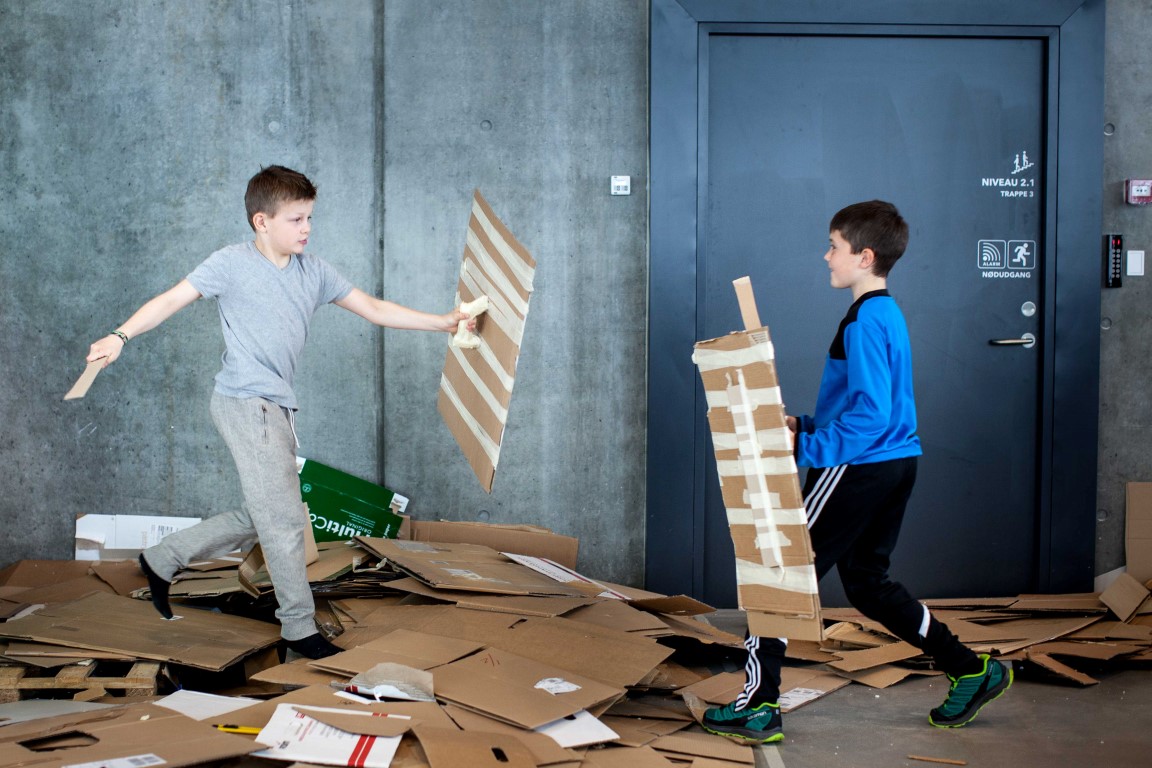
    Vi forstår verden ved at deltage i den, og netop deltagelse er et fundamentalt træk ved legen: når vi leger, så er vi aktive deltagere:

    “play events capitalize on people’s capacities for creativity, or externalization. Nothing exists— at least, nothing that is playful in character— until the participants decide to invest the moment with this quality. When they withdraw that energy and enthusiasm, the moment dies. Play makes people aware of their capacities for social agency.” (Hendricks, 2015) (my emphasis)
    Når vi taler om deltagelse, så taler vi uundgåeligt også om magt (se også dette indlæg), for hvis ikke deltagerne har magt, ““participation simply stops being participation” (Carpentier, 2011). Leg kræver en omfordeling af magten, så alle har indflydelse på legens udformning og udvikling, og ingen bestemmer det hele. Dermed skaber legen et rum, hvor vi kan udfordre reglerne, overskride forventningerne og skabe nye erkendelser. Vi er aktive deltagere i legen, og dermed også i den verden, hvor legen foregår. Leg rummer derfor også et stort og ofte overset demokratisk potentiale.

    Leg er ikke altid, men ofte en social aktivitet. Når vi leger sammen er vi nødt til at respektere hinanden, og vi indgår i gensidige forhandlinger af legens roller, regler og formål. Det kræver en veludviklet empatisk sans at være en god legekammerat, men man kan netop også afprøve andre roller og identiteter for at se, hvad der fungerer. Legen rummer et “continuation desire” (Brown, 2009): legen vil fortsætte så længe som muligt. I legen søger vi ikke en ligevægtstilstand, men derimod dynamikken, der holder liv i legen. Vi omfavner det paradoksale og tilsyneladende modsætningsfyldte som legens drivkraft. At lege med andre gør det nemmere at “fastholde legestemningerne i længere tid, end hvis man leger alene” (Skovbjerg Karoff, 2013), netop fordi flere “legere” gør situationen mere uforudsigelig og flertydig:

    “I legens stemninger er man særligt åben over for, hvad der skal ske, hvad der kan ske, og man er indstillet på og håber på andres åbenhed […] I legens stemninger må man sige ja til meget, og man er indstillet på, at meget kan lade sig gøre. Den fordring gælder både en selv og andre i legen stemning” (Skovbjerg, 2016).

    Eller med andre ord: en leg er kun rigtig god, hvis man er nærværende, sætter sig selv på spil, hvis man lytter og respekterer de andre, hvis man tager hensyn, og hvis man finder en måde at være sammen på, som giver alle en god oplevelse. Lidt lige som så mange andre aspekter af livet, kan man tilføje.

    [/et_pb_text][et_pb_image admin_label=”Image” src=”http://www.counterplay.org/wp-content/uploads/2016/09/IMG_1192-Medium.jpg” show_in_lightbox=”off” url_new_window=”off” use_overlay=”off” animation=”left” sticky=”off” align=”left” force_fullwidth=”off” always_center_on_mobile=”on” use_border_color=”off” border_color=”#ffffff” border_style=”solid”] [/et_pb_image][et_pb_text admin_label=”Text” background_layout=”light” text_orientation=”left” use_border_color=”off” border_color=”#ffffff” border_style=”solid”]

    Det er selvfølgelig en meget overfladisk gennemgang af både leg og dannelse, men forhåbentlig er det tydeligt, at de to fænomener hænger tæt sammen, og begge er direkte koblet til det mest basalt menneskelige.

    Jeg vil derfor ganske enkelt foreslå, at vi i højere grad betragter “det legende menneske” som et aktuelt dannelsesideal.

    Vent lige et øjeblik.

    Ovenfor har jeg talt om leg som aktivitet, og nu taler jeg om “det legende” (på engelsk: “playfulness”), som er noget andet:

    “Playfulness is a physical, psychological, and emotional attitude toward things, people, and situations. It is a way of engaging with the world derived from our capacity to play but lacking some of the characteristics of play” (Sicart, 2014)

    Det er netop “det legende” som en attitude, et mindset og en tilgang til livet og verden, der har min største opmærksomhed. Jeg er overbevist om, at legende mennesker er godt rustet til at leve gode liv og være aktive medborgere i en kompleks og kaotisk verden. Det helt afgørende er, at “det legende menneske” ikke bliver til en destination eller et slutmål, men en tilgang til livet, en måde at være til på. Det legende menneske er ikke et “afkast” af snævert målstyrede læringsprocesser, det kan ikke kontrolleres, men er resultatet af et levet liv i al dets uoverskuelige kompleksitet:

    “It’s wrong to think of playing as the interruption of ordinary life. Consider instead playing as the underlying, always-there continuum of experience” (Richard Schechner)

    Hvis det legende menneske således også er et dannet menneske, så er spørgsmålet selvfølgelig, hvordan man bliver legende?

    Jeg tror (et dannet menneske er som nævnt også et tvivlende menneske) at legen som aktivitet kan skabe rum, hvor vi, alene og i fællesskab, kan udforske, hvad det vil sige at være legende. Når vi leger, øver vi os i at være legende, og vi minder os selv om, at den måde at være til på også kan finde sted uden for legen. Det er, som en sidebemærkning, det rum vi forsøger at skabe med CounterPlay festivalen:

    “What inspired me most was the camaraderie, the ease of conversation and exchange as if we had all known each other for decades, the lack of pretension anywhere”

    Leg (eller, mere præcist, “play”) er blevet beskrevet som “free movement within a more rigid structure” (Salen & Zimmerman, 2003), og det er godt at huske på. Vil man legen, så skal man give den plads og rum til at udfolde sig. Her ligger den måske største udfordring i dag: vi frygter friheden, det ukontrollerede og uforudsigelige så meget, at vi hele tiden prøver at udgrænse det. Det er imidlertid legens brændstof, og dermed præcis den udfordring, vi skal tage fat på, hvis vi vil realisere leg som dannelsesideal.

    Lad mig slutte med et citat fra legeforsker Helle Marie Skovbjergs bog, “Perspektiver på leg” som en fælles opdfordring til, med Helles ord, at tage legen alvorligt:

    “Vi skal støtte legen ved at skabe plads til, at legen kan foregå mange steder, på mange tidspunkter, og det vil sige ved at omfavne de lege og legesituationer, som vi oplever virker – for deltagerne. At tage legen alvorligt vil præcis sige, at deltagernes meningsproduktion tillægges en værdi, betragtes som noget, der er centralt for det liv, som de lever. Her fortæller de, hvem de er, og kommer med bud på, hvad det vil sige at være et menneske. At tage legen alvorligt er at tage alt det menneskelige alvorligt.”

    [/et_pb_text][et_pb_text admin_label=”Text” background_layout=”light” text_orientation=”left” use_border_color=”off” border_color=”#ffffff” border_style=”solid”]

    [su_box title=”Lad os snakke sammen!” box_color=”#014341″ title_color=”#ffffff” radius=”5″]Hvad tænker du “det legende menneske” som dannelsesideal? Lad mig høre fra dig i kommentarfeltet herunder![/su_box]

    [/et_pb_text][/et_pb_column][/et_pb_row][/et_pb_section]
  • Playing With Power – an Invitation

    Playing With Power – an Invitation

    [et_pb_section admin_label=”section”][et_pb_row admin_label=”row”][et_pb_column type=”4_4″][et_pb_text admin_label=”Text” background_layout=”light” text_orientation=”left” use_border_color=”off” border_color=”#ffffff” border_style=”solid”]

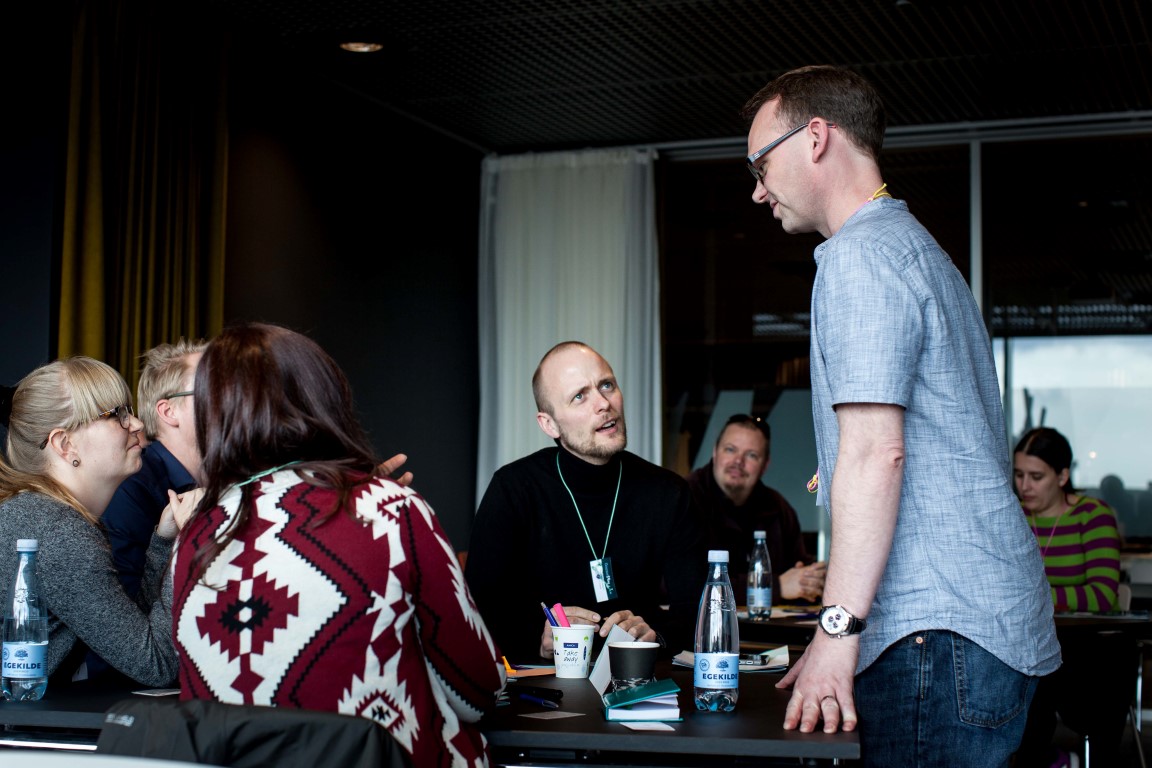
    [Image text: Alex is a friendly guy, but what if he was not? How could this pose be a demonstration of power?]

    The theme for CounterPlay ’17 is “The Power of Play“, and I urge you to not solely understand it in the “usual” sense. I believe the phrase is commonly used to point towards, well, “the power of play”, the way play is powerful and holds transformative potential in a wide range of situations throughout our lives.

    I obviously agree that play is massively powerful, and I think this is, in part, due to the participatory nature of play, which again means play is powerful because it invites us to play with power:

    This is to say that if there is not a shift of power, if those expected to participate are not powerful (to a never precisely defined extent), “at some point participation simply stops being participation”. Participation, then, should not be used as a glossy term to hide the fact that often, there is no real power for the socalled participants. Exactly the same can be said about play and playfulness. Do you want to cultivate a playful culture in the workplace? Well, it can’t be sugarcoating (like ping-pong tables or other gimmicks), it needs to be embedded in the fabric, and it requires actual power and decision making to be put in the hands of those you expect to play along.

    I reiterated this in my discussion of “playwashing“:

    play is only real if it entails real participation and participation is only real if it entails a redistribution of power among the participants. Consequently, an organization is not playful if there is not a connection between the proclaimed presence of play in the organization and the distribution of power.

    Do the opportunities to play (if they are at all there) come with real agency and influence? Are employees frequently engaging in negotiations of rules and purpose of the work they’re doing? Is there a real sense of ownership and a shared responsibility?


    [/et_pb_text][et_pb_image admin_label=”Image” src=”http://www.counterplay.org/wp-content/uploads/2017/01/IMG_2386-Medium.jpg” show_in_lightbox=”off” url_new_window=”off” use_overlay=”off” animation=”left” sticky=”off” align=”left” force_fullwidth=”off” always_center_on_mobile=”on” use_border_color=”off” border_color=”#ffffff” border_style=”solid” /][et_pb_text admin_label=”Text” background_layout=”light” text_orientation=”left” use_border_color=”off” border_color=”#ffffff” border_style=”solid”]

    This way of framing or understanding play, as inherently participatory, subversive, rebellious even, is rapidly becoming more important as politicians all around the world are increasingly ignoring or downright limiting our opportunities for civic participation and, eventually, our freedom. As Bernie DeKoven has told us time and again, “play is freedom” and games are metaphors that allow us to “imagine freedom“. Clay Mazing shows it. Miguel Sicart writes about it:

    Play is like language— a way of being in the world, of making sense of it. It takes place in a context as a balance between creation and destruction, between adherence to a structure and the pleasures of destruction. Playing is freedom.

    Playfulness frees us from the dictates of purpose through the carnivalesque inheritance of play. Through playful appropriation, we bring freedom to a context.

    Thomas S. Henricks touch upon similar perspectives:

    If play has a central quality, it is that this behavior (as action, interaction, and activity), first of all, celebrates people’s abilities to craft their own responses to circumstances free from interference. That distinctive process of making and interpreting, what I have called ascending meaning, is connected intimately to the project of human freedom.

    I’m convinced that playful people are better equipped to play with power, to challenge power, and to insist on freedom, but I also believe we need to explore this in more breadth and depth. Following our logic of cross-pollination and deploying a kaleidoscopic view on play is what leads me to the “invitation” part of this (already too long) post:

    Let’s collect and share bits and pieces that demonstrate the power of play to play with power.

    I’m thinking we could do a series of blog posts right here, but as always, I’m open to any suggestion that will make us, as a community, more knowledgeable on the power of play. Who knows, maybe it can lead to real, powerful and playful activism?

    Do you want to play along? Will you share your experiences, insights and ideas?

    [/et_pb_text][/et_pb_column][/et_pb_row][/et_pb_section]
  • CounterPlay ’17: Announcements

    CounterPlay ’17: Announcements

    [et_pb_section admin_label=”section”][et_pb_row admin_label=”row”][et_pb_column type=”4_4″][et_pb_text admin_label=”Text” background_layout=”light” text_orientation=”left” use_border_color=”off” border_color=”#ffffff” border_style=”solid”]

    We insist that the process of organizing CounterPlay must be as open, inclusive and explorative as (we hope) the festival is. This also makes it slightly more unpredictable and chaotic, and just like when we’re playing, we don’t know exactly where we end up. This is not a bug, but a feature; it is entirely by design (also when we sometimes lose control, how can we make anything playful if we control everything?).

    We have, once again, had an overwhelming response to our call for proposals with so many wonderful people suggesting the most amazing and playful activities for CounterPlay ’17. We strive to design a program that mirrors the diversity of play, cultivating a diverse community in the process. We are also moving towards ever more playful formats to create an atmosphere, where everybody feels safe enough to risk not being taken seriously when they interact playfully with each other.

    In addition to the amazing proposals, we are working with many good people to design activities specifically for the festival, not least for our special focus on playful cities / playful citizens“, where we will host a range of workshops, play sessions and open debate. There will also be a big, open creative space (the cardboard area from CounterPlay ’16). We are inspired by things like “Stupid Hackathon” and “Hebocon crappy robot contest”, so here you can make stupid, silly, useless things out of everything from digital technologies over wood and cardboard to broken toys.

    While the schedule is not yet ready, the structure will be similar to that of CounterPlay ’16, so take a look at that program. This means that there will be “plenary sessions” where we all get together, many parallel tracks with workshops and play sessions, dinner on Thursday evening, and Saturday, April 1st, will once more be organized like an “unconference” for discussion and contemplation. Apart from the things we schedule, the festival wants to be hacked, so we expect numerous playful interventions we won’t know about.

    For now, take a look at this list of all the activities and people we have confirmed for the festival – with (much) more to come in the beginning of 2017!

    [/et_pb_text][et_pb_text admin_label=”Text” background_layout=”light” text_orientation=”left” use_border_color=”off” border_color=”#ffffff” border_style=”solid”] [table id=7 /] [/et_pb_text][/et_pb_column][/et_pb_row][/et_pb_section]
  • #cplaydk #3: Play in Public Spaces

    #cplaydk #3: Play in Public Spaces

    [et_pb_section admin_label=”section”][et_pb_row admin_label=”row”][et_pb_column type=”4_4″][et_pb_text admin_label=”Intro” background_layout=”light” text_orientation=”left” use_border_color=”off” border_color=”#ffffff” border_style=”solid”]

    On Wednesday, December 7, we discussed “play in public spaces”, and wow, what an amazing conversation!

    This is the third chat, and it’s been wonderful to see how “new” people keep joining the community. Twitter is particularly good for this because it is so open, and people can just drop in at any time, when they notice that something is going on – like Iain here did:

    While we’re not so interested in the size of the community as such, we’re very interested in the diversity and the range of perspectives represented. There were so many valuable points being made about the nature and importance of play in public spaces, as well as the challenges we are facing and possible (very creative!) solutions:

    https://twitter.com/karastewart/status/806581999272161280

    See our questions and the collection of tweets below:

    [/et_pb_text][et_pb_text admin_label=”Questions” background_layout=”light” text_orientation=”left” use_border_color=”off” border_color=”#ffffff” border_style=”solid”]

    [/et_pb_text][et_pb_text admin_label=”Tweets” background_layout=”light” text_orientation=”left” use_border_color=”off” border_color=”#ffffff” border_style=”solid”]

    [/et_pb_text][/et_pb_column][/et_pb_row][/et_pb_section]
  • #cplaydk #2: Play in the Workplace

    #cplaydk #2: Play in the Workplace

    [et_pb_section admin_label=”section”][et_pb_row admin_label=”row”][et_pb_column type=”4_4″][et_pb_text admin_label=”Text” background_layout=”light” text_orientation=”left” use_border_color=”off” border_color=”#ffffff” border_style=”solid”]

    On November 28, 2016, we had a great discussion about “play in the workplace”. Here are the questions:

    [/et_pb_text][et_pb_text admin_label=”Text” background_layout=”light” text_orientation=”left” use_border_color=”off” border_color=”#ffffff” border_style=”solid”]

    Here is a collection of tweets from the chat:

    [/et_pb_text][/et_pb_column][/et_pb_row][/et_pb_section]
  • (Don’t do) Playwashing

    (Don’t do) Playwashing

    [et_pb_section admin_label=”section”][et_pb_row admin_label=”row”][et_pb_column type=”4_4″][et_pb_text admin_label=”Text” background_layout=”light” text_orientation=”left” use_border_color=”off” border_color=”#ffffff” border_style=”solid”]

    Image credits: Alex Proimos via Wikimedia


    [/et_pb_text][et_pb_text admin_label=”Text” background_layout=”light” text_orientation=”left” use_border_color=”off” border_color=”#ffffff” border_style=”solid”]

    “It’s greenwashing when a company or organization spends more time and money claiming to be “green” through advertising and marketing than actually implementing business practices that minimize environmental impact. It’s whitewashing, but with a green brush” – Greenwashing Index 

    [/et_pb_text][et_pb_text admin_label=”Text” background_layout=”light” text_orientation=”left” use_border_color=”off” border_color=”#ffffff” border_style=”solid”]

    Inspired by the fairly well known concept “greenwashing”, I have coined a similar phrase that has proven useful to me:

    Playwashing

    So far, I have only used it casually in conversations, but building on the description of greenwashing above, I suggest the following working definition:’

    “Playwashing describes the situation where a company or organization spends more time and money claiming to be “playful” through advertising and marketing than actually implementing strategies and business practices that cultivate a playful culture in said organization”

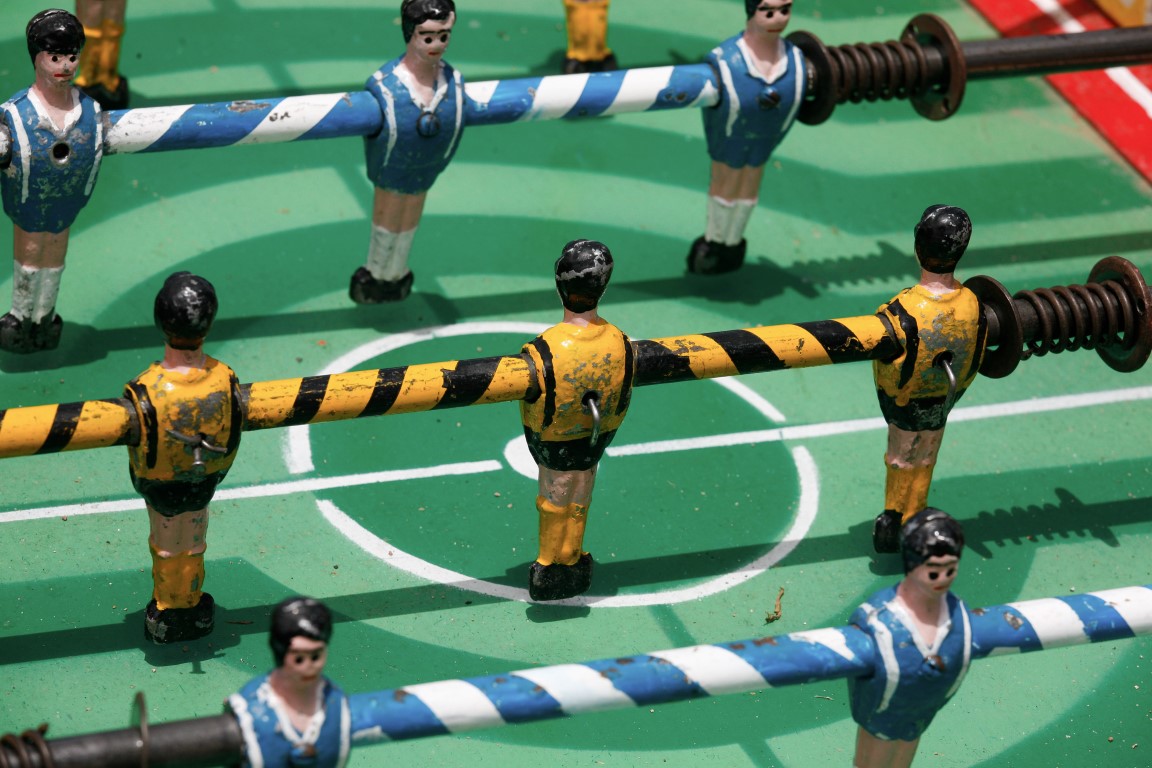
    With this initial definition (which very much is up for debate), I consider it playwashing when a company conveys the image of allowing its employees to engage in work that share central characteristics with play without living up to this promise. You may be allowed to play a game at work, but this often happens in confined spaces and disconnected from the actual work. The popular foosball table is a good example of this, as it signifies play, but how often does the activity of playing this game have deeper ties to company culture?

    Like greenwashing, playwashing paints an inaccurate or downright false picture of the organization in question. This is a dishonest practice and hence a problem in itself. It is used in many forms of branding, including that which is directed at potential future employees – “employer branding”. Many people might want to work in a playful organization, but will likely be disappointed if this amounts to no more than a ping-pong table or video games to be played during breaks.

    img_1602-mediumIn the best case, these games provide people with a much needed break, whereas in the worst case it is used to disguise or sweeten what could perhaps most accurately be described as exploitation; Mere sugarcoating on an otherwise unacceptable proposal, a means of coercion to make people work harder and more. Yes, the games can be a first step in a more playful direction, and they can certainly be part of an ambitious playful strategy (I recall the notion of “the necessary hypocrisy” from organization studies: you say something that is not yet aligned with your actions, but you say it to guide you in that direction). If they exist in isolation, however, disconnected from management decisions, company culture and daily work practices, it is probably playwashing.

    Playwashing is not illegal, of course, but it doesn’t have much to do with the primary purpose of CounterPlay: to cultivate playful communities, and, in turn, contribute to a more playful world. I suspect that most forms of playwashing doesn’t do much to help us achieve that goal. It is common and tempting to hope for easy solutions to complex problems, and many seem to believe that games or technologies will work wonders if simply dropped into whichever context (be it work, education or life in general). In most situations, it won’t. It will only lead to disappointment and frustration if there is no willingness to address the underlying problems and pursue real transformation.

    Do you want to cultivate a playful culture in the workplace? Well, it can’t be sugarcoating (like ping-pong tables or other gimmicks), it needs to be embedded in the fabric, and it requires actual power and decision making to be put in the hands of those you expect to play along.

    As I have argued elsewhere, play is only real if it entails real participation and participation is only real if it entails a redistribution of power among the participants. Consequently, an organization is not playful if there is not a connection between the proclaimed presence of play in the organization and the distribution of power. In fact, the foosball table might be a more appropriate metaphor than I first imagined, since the players are all fixed in one place, without any real maneuverability or agency, they can only go round and round in circles, while controlled by someone else.

    Do the opportunities to play (if they are at all there) come with real agency and influence? Are employees frequently engaging in negotiations of rules and purpose of the work they’re doing? Is there a real sense of ownership and a shared responsibility?

    There are many other characteristics of play to look for, of course, that we can use to determine if playwashing is taking place in any given organization. Does a culture of fear permeate the organization? Do employees dare to experiment, take risks and suggest new solutions? Is there room for creativity and serendipity? Is silliness allowed?

    We experience a growing interest in play these years, which is mostly good, but I find reason to question how much of it is sincere and founded in a deeper understanding of and respect for play. Maybe the notion of “playwashing” can be a useful tool to examine the depth of engagement with play; is it real or only skin deep, a decoy, a simple tool to avoid asking the hard questions and making more complex changes?

    [/et_pb_text][/et_pb_column][/et_pb_row][/et_pb_section]
  • #cplaydk: The Power of Play

    #cplaydk: The Power of Play

    [et_pb_section admin_label=”section”][et_pb_row admin_label=”row”][et_pb_column type=”4_4″][et_pb_text admin_label=”Text” background_layout=”light” text_orientation=”left” use_border_color=”off” border_color=”#ffffff” border_style=”solid”]

    On November 9th, 2016, we hosted the first #cplaydk chat on Twitter, where we discussed “the power of play”.

    A nice group of people joined us, we had some great conversations, and we’ll be doing this every other Wednesday from 8-9 PM Central European Time. Just tune in to the hashtag #cplaydk on Twitter and jump right in.

    Here are the tweets from the first chat:

    [/et_pb_text][et_pb_text admin_label=”Text” background_layout=”light” text_orientation=”left” use_border_color=”off” border_color=”#ffffff” border_style=”solid”]

    [/et_pb_text][/et_pb_column][/et_pb_row][/et_pb_section]

  • The Future of CounterPlay

    The Future of CounterPlay

    [et_pb_section admin_label=”section”][et_pb_row admin_label=”row”][et_pb_column type=”4_4″][et_pb_text admin_label=”Intro” background_layout=”light” text_orientation=”left” use_border_color=”off” border_color=”#ffffff” border_style=”solid”]

    Or: thinking about all the beautiful castles for our dreams we are going to build together.

    When I started working on the tiny, messy idea that would later become CounterPlay, and when I ran the first festival in an old library in April 2014, I couldn’t possibly anticipate where it would take me. Nonetheless, I had high hopes, for my personal journey, for the festival, and for society at large.

    img_1772-smallIt’s been a beautiful and exciting adventure bringing me into contact with the most wonderful people from all around the world. I have learned that so many people are passionately fighting for play, and my life is better because of it. It truly is. Simply knowing that you are out there is (almost) enough. Yes, it has been tremendously hard work, frustrating at times (I’ve considered throwing in the towel on more than one occasion), but I honestly don’t think I have ever done anything that feels this important (or that makes me this proud).
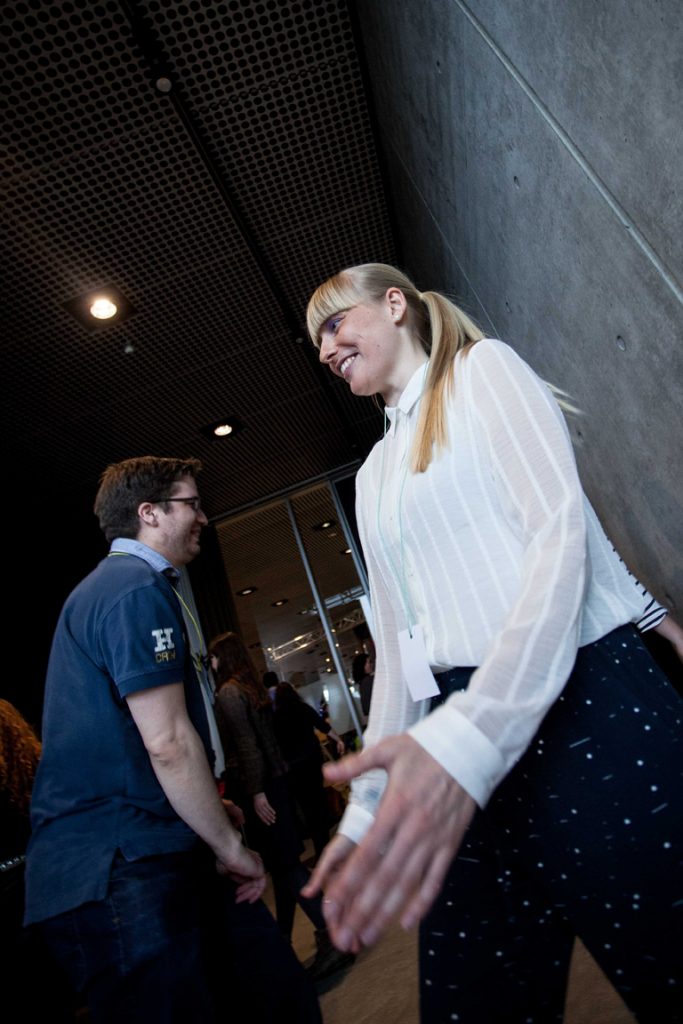
    From the outset, I wanted to cultivate a diverse international community of people from all over society that would allow us to explore games, play and playfulness from as many perspectives as possible. Without this diversity, we can neither say anything coherent about the meaning of a phenomenon as complex as play, nor can we argue about the importance of play for society as a whole.

    The profile of the festival has become a bit sharper since then, as we are now more courageous, and dare to be more outspoken about the things we believe are important: play is for everyone, it belongs in all aspects of life, it is highly political, it needs a more prominent place in society, and we should focus on play for the sake of play rather than the perceived side effects (however positive and important these may be).

    “societies need to reaffirm the value of a playful spirit in populations of all ages” – Thomas S. Henricks

    More than anything, we are interested in playfulness. The main reason why we think play is so important is that a playful mindset and a playful attitude will (probably) enable you to live better lives in this complex, globalised and confusing world. More people should be allowed to play and engage with work and life in more playful ways. To achieve this, we wish to create more opportunities to play, cultivate playful communities across all sorts of borders and boundaries and drive a movement towards a more playful world.

    While we have come much, much further than I could have initially imagined, this only means that we are now aiming higher. We can and should do more. We can take on a greater responsibility and we can make ourselves more visible, shaping the public agenda to a greater degree, hopefully contributing to achieving the ambitious goals set by people like Stuart Brown:

    “When enough people raise play to the status it deserves in our lives, we will find the world a better place”

    In the following, I’ll describe three areas which are important to us, now and in the future. All of them are to be seen as invitations for anyone who want to be part of our journey. I can’t say this often enough: we will remain open, inclusive and seeking conversation with each and every person who can enlighten and/or challenge us.

    [/et_pb_text][et_pb_image admin_label=”Image” src=”http://www.counterplay.org/wp-content/uploads/2016/08/IMG_1016-Medium.jpg” show_in_lightbox=”off” url_new_window=”off” use_overlay=”off” animation=”left” sticky=”off” align=”left” force_fullwidth=”off” always_center_on_mobile=”on” use_border_color=”off” border_color=”#ffffff” border_style=”solid”] [/et_pb_image][et_pb_text admin_label=”Foundation” background_layout=”light” text_orientation=”left” use_border_color=”off” border_color=”#ffffff” border_style=”solid”]

    A Stronger Foundation

    I don’t think of CounterPlay as something with an expiration date. I never did. On the contrary, we aim to stay around for as long as play is not given the attention and space it needs and deserves. As some of you know, I’m the impatient type, and it can be hard to accept that
    things take time. Nonetheless, they do. They simply just do. No meaningful change happens overnight, and we can only hope to achieve anything real by maintaining momentum over a longer period of time, taking many small steps in the process. It obviously matters what we do, but it also matters a lot that we do it again and again, img_2527_mediumyear after year, and that we are not deterred by all the things that make it seem impossible at times (this is as much a reminder to myself, because giving up frequently seems like the best choice).
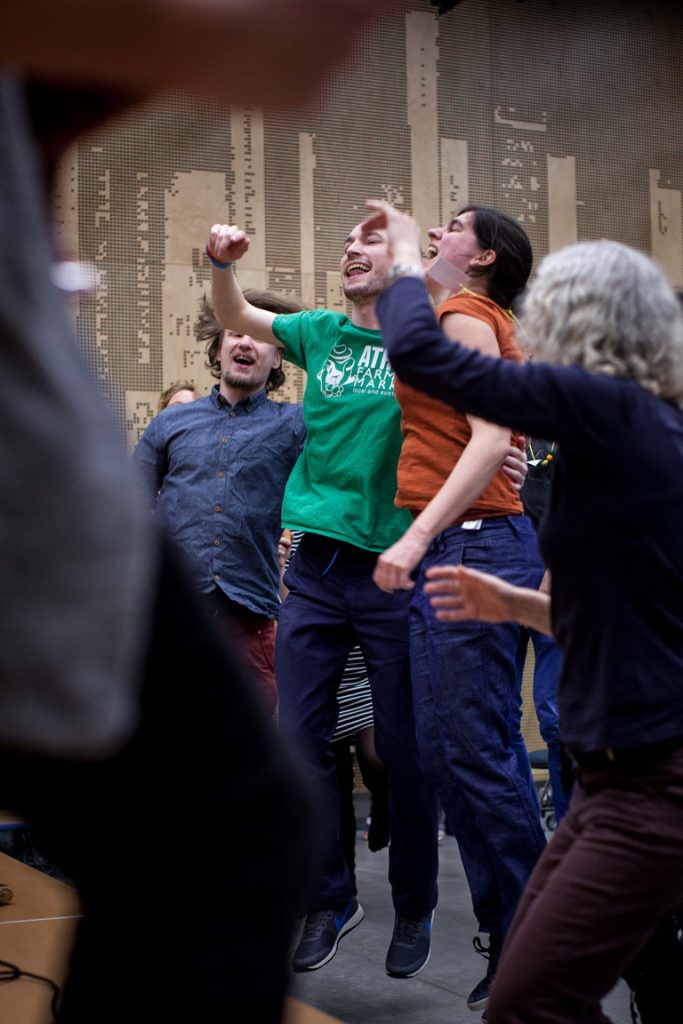
    There is no law of nature stating that we can survive to keep doing what we do, so we must build a stronger foundation for the festival. We’re a small (tiny, even) NGO with no secure funding (we mostly rely on registration fees), no real platform and no employees. This is often a strength, as we can maneuver freely, make the decisions we feel are right, and generally pursue our dreams and ambitions. Even so, being small and fragile also comes with a number of challenges when you’re aiming for permanence and continuity.

    There’s obviously a financial side of this that we must focus on, since it’s quite risky to bet everything on the willingness of people attending the festival. We’ll need to develop a better, more robust “business model” (man, I hate that term) that allows for increased financial sustainability. Money is not my biggest concern, though, since it’s even more important that we get more people involved, spreading the ownership and desire to make this work.

    Do you know something about building an organisation and securing the foundation? We would love to hear from you.

    [/et_pb_text][et_pb_image admin_label=”Image” src=”http://www.counterplay.org/wp-content/uploads/2016/04/IMG_1277-Medium.jpg” show_in_lightbox=”off” url_new_window=”off” use_overlay=”off” animation=”left” sticky=”off” align=”left” force_fullwidth=”off” always_center_on_mobile=”on” use_border_color=”off” border_color=”#ffffff” border_style=”solid”] [/et_pb_image][et_pb_text admin_label=”Diversity” background_layout=”light” text_orientation=”left” use_border_color=”off” border_color=”#ffffff” border_style=”solid”]

    Increase the diversity

    Like play, diversity is important in and of itself, and we don’t need any other reason or justification than that. We want CounterPlay to be inclusive and diverse just because. Period.

    img_1989_mediumI was inspired by the variety of people – ages, nationalities, interests, approaches – for whom playfulness and play are so key. There was such a powerful sense of a global community and a growing movement. I brought back renewed energy and enthusiasm and lots of happy memories.
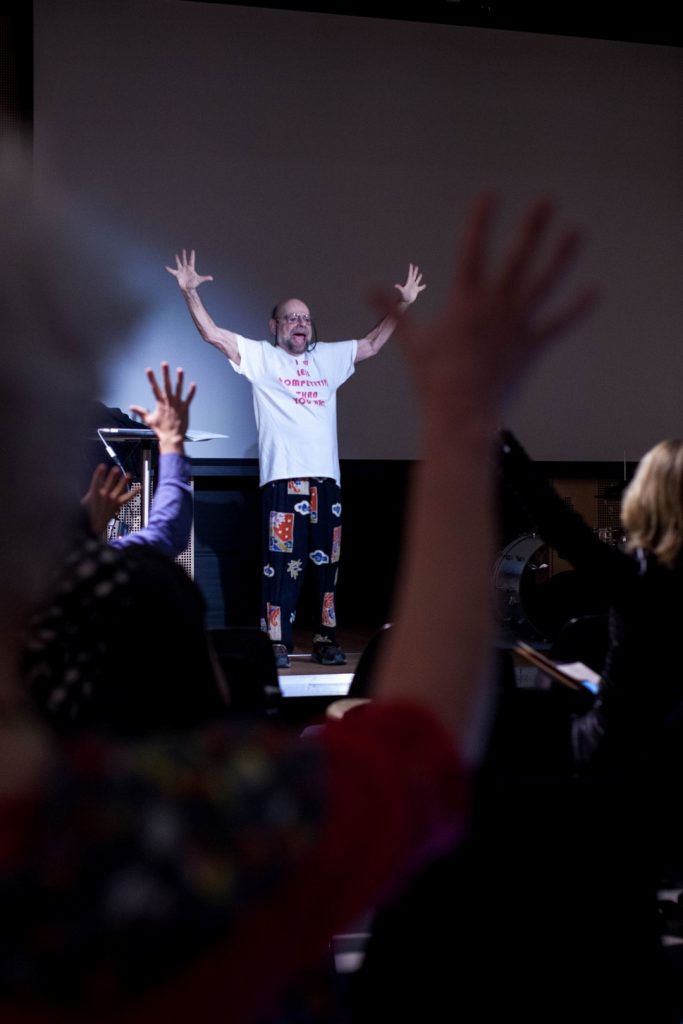
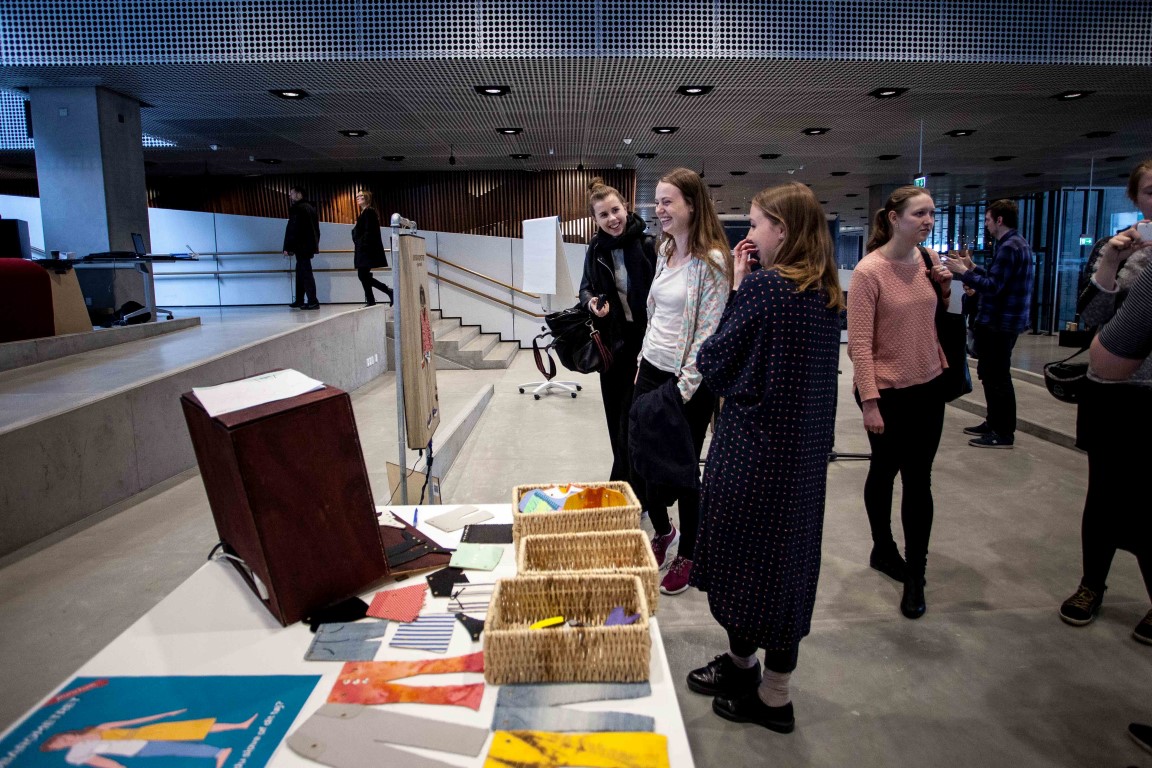
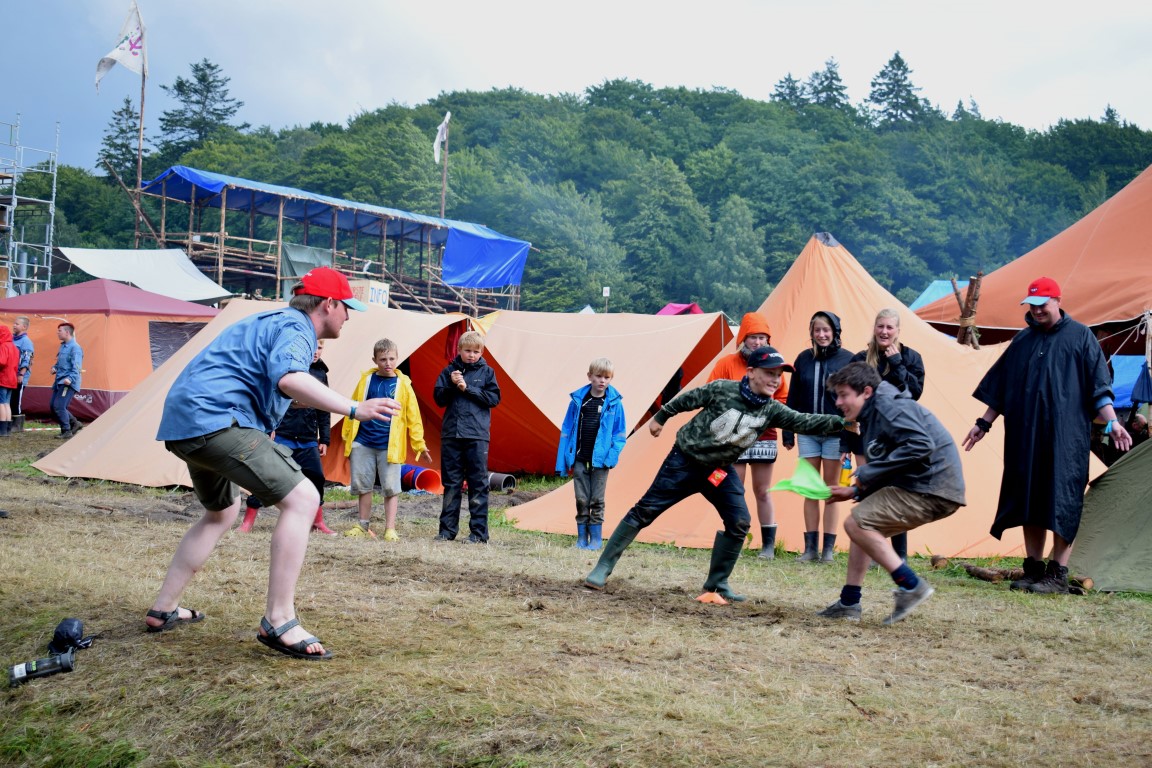
    At the same time, cultivating diverse communities is a necessary component in our effort to explore all the different ways people can play and be playful. Play is full of ambiguity (as described so magnificently by Brian Sutton-Smith), such a complex phenomenon in so many shapes and sizes, and our community must mirror this. If we only invite people who are similar to us, we limit our thinking and our understanding of play. Beside the obvious Being John Malkovich’ish implications of having to many people who look like yourself, it simply obstructs our view and gets in the way of our ambitions.

    CounterPlay is one of the few public events that brings together people from widely divergent disciplines, and yet are united by their devotion to making the world a little more playful. Bringing them together like this, to play and talk and share each other’s vision, creates an unforgettably playful, creative and productive environment and helps all of them to find a larger and more inclusive perspective on their work.

    By bringing different people with different backgrounds and experiences together, we also hope to create better conditions for new things to happen, new ideas to form, new connections to be established and new friendships to develop. None of this is easy, as we, like most people, often default to what we know, feel comfortable with and have tried before. We clearly still have a lot to learn, but we are doing our best.

    [/et_pb_text][et_pb_image admin_label=”Image” src=”http://www.counterplay.org/wp-content/uploads/2016/09/IMG_2386-Medium.jpg” show_in_lightbox=”off” url_new_window=”off” use_overlay=”off” animation=”left” sticky=”off” align=”left” force_fullwidth=”off” always_center_on_mobile=”on” use_border_color=”off” border_color=”#ffffff” border_style=”solid”] [/et_pb_image][et_pb_text admin_label=”Text” background_layout=”light” text_orientation=”left” use_border_color=”off” border_color=”#ffffff” border_style=”solid”]

    Make play unavoidable

    This is where it counts, and where we need to really step it up.

    We shouldn’t be able to avoid play, just like we (usually) don’t try to avoid things like water, food, education, work, and social relationships.

    I dream about a world where play is an essential part of life, and where you don’t have to make excuses or go to great lengths to hide your playful endeavours. In this future utopia, we are not afraid of embracing play, and playing in public is nothing out of the ordinary. Living a playful life doesn’t make people consider you any less serious or ambitious – perhaps rather the contrary. When the world is more playful, you are free to play around with habits, traditions, rules and power structures, challenging them and asking critical questions.
    IMG_2136 (Large)

    I consider the festival an early prototype of this society, and I believe we have shown that it is possible to create an atmosphere, where play and people thrive – if only on a microscopic scale for three days.

    Outside the festival, too many people steer away from play for fear of what their family, friends, colleagues and the wider society might think. While I don’t want to force anyone to play, I believe everybody should have the opportunity to consider going down the playful path (with more than an implicit nod to my inspiring friend Bernie DeKoven). While this may seem like a little thing – asking for people to simply consider play as an ingredient in life – I think it would be a huge step. If we can break down the social and mental barriers, we have come a long way. Even if we can just help a few people reconnect with their playful selves, seeing their eyes light up, that more than justifies our effort.

    Have you noticed that, by the way? The light in the eyes of people playing? When they’re just really there in the moment, and their eyes shine? It’s like magic.

    It should be possible for all of us to explore how we like to play, what feels good, and how our playful life should look and feel.

    That is my dream.

    If you have requests, ideas, comments or want to join the adventure, comment below or get in touch!

    [/et_pb_text][/et_pb_column][/et_pb_row][/et_pb_section]

  • Det Legende Bibliotek

    Det Legende Bibliotek

    [et_pb_section admin_label=”section”][et_pb_row admin_label=”row”][et_pb_column type=”4_4″][et_pb_text admin_label=”Text” background_layout=”light” text_orientation=”left” use_border_color=”off” border_color=”#ffffff” border_style=”solid”]

    Over hele verden er biblioteker i gang med en uhyre spændende proces, hvor de redefinerer og genopfinder sig selv. Anledningen er selvfølgelig især, at størstedelen af de materialer, som biblioteker typisk har været bygget op omkring, nu digitaliseres. Derfor har vi altså i mindre grad brug for biblioteket som et sted, der udlåner fysiske medier som bøger, musik, film, spil osv. Det betyder, at bibliotekernes samfundsmæssige relevans, mål og formål må genforhandles, hvilket i sig selv er en god og sund opgave for enhver organisation.

    I mine øjne er biblioteker vigtigere end nogensinde, men kun i det omfang de formår at forblive aktive medskabere og -udviklere af et åbent, demokratisk samfund, hvor der er fri og lige adgang til viden, kunst og kultur.

    Hvis vi holder fast i, at folkebibliotekernes formål er at “ at fremme oplysning, uddannelse og kulturel aktivitet” (jf. biblioteksloven), så bliver spørgsmålet, hvordan vi kan gøre det, når svaret ikke længere (kun) er at udlåne og gøre materialer tilgængelige.

    Det er her, jeg vil argumentere for, at leg i langt højere grad bør indgå i og forme fremtidens biblioteker (og samfund i det hele taget).

    [/et_pb_text][et_pb_image admin_label=”Image” src=”http://www.counterplay.org/wp-content/uploads/2016/08/IMG_2701-Medium.jpg” show_in_lightbox=”off” url_new_window=”off” use_overlay=”off” animation=”left” sticky=”off” align=”left” force_fullwidth=”off” always_center_on_mobile=”on” use_border_color=”off” border_color=”#ffffff” border_style=”solid”] [/et_pb_image][et_pb_text admin_label=”Text” background_layout=”light” text_orientation=”left” use_border_color=”off” border_color=”#ffffff” border_style=”solid”]

    Når jeg siger “leg”, så taler jeg om to ting på samme tid: leg som aktivitet og leg som sindstilstand eller mentalt “repertoire”, og begge dele handler altid om mennesker snarere end fx teknologi og medier. Det er min oplevelse, at de fleste primært eller udelukkende tænker på det første, altså leg som noget vi (eller måske især børn) gør. Mens det formentlig er mindre udbredt, så er det endnu vigtigere også at forstå leg som en sindstilstand, en tilgang til verden og livet og en særlig måde at være menneske på:

    “Playfulness is a physical, psychological, and emotional attitude toward things, people, and situations. It is a way of engaging with the world derived from our capacity to play but lacking some of the characteristics of play. Intuitively, we can feel the difference between play and playfulness” (Miguel Sicart: Play Matters)

    Jeg tror de to hænger sammen på den måde, at man kan øve sig i at blive mere legende ved at lege. Altså, hvis vi husker at lege, så kan vi udvikle evnen til også at være legende, når vi ikke leger.

    Den her skelnen betyder også, at man kan arbejde med leg på biblioteket på to forskellige måder, nemlig som en aktivitet i biblioteksrummet og som en integreret del af kulturen; som en særlig måde at være bibliotek på.

    Når mange biblioteker, nationalt og internationalt, allerede har omfavnet legen og givet den en central placering i dagligdagen, så tror jeg især det er i form af aktiviteter, der har karakter af leg. Der er mange biblioteker, hvor man må lege, men er der mange legende biblioteker, hvor legen er en del af kulturen, organisationen, identiteten og selvopfattelsen?

    [/et_pb_text][et_pb_image admin_label=”Image” src=”http://www.counterplay.org/wp-content/uploads/2016/10/IMG_2494-Medium.jpg” show_in_lightbox=”off” url_new_window=”off” use_overlay=”off” animation=”left” sticky=”off” align=”left” force_fullwidth=”off” always_center_on_mobile=”on” use_border_color=”off” border_color=”#ffffff” border_style=”solid”] [/et_pb_image][et_pb_text admin_label=”Text” background_layout=”light” text_orientation=”left” use_border_color=”off” border_color=”#ffffff” border_style=”solid”]

    Mens vi overvejer svarene, så er der naturligvis flere andre spørgsmål, der trænger sig på:

    Hvorfor er det vigtigt? Hvad er det legen kan?

    Her er jeg allerede på kant med et, for mig, uomgængeligt princip: legen må ikke først og fremmest opfattes som instrument for noget andet. Jeg kæmper ikke for legen, fordi legen kan noget specifikt, eller fordi den er en genvej til (målbare) resultater (fx læringsmål). Alligevel er det selvfølgelig væsentligt og legitimt at undersøge, hvad der sker når vi leger. Hvis vi skal gøre en indsats for legen, så skal vi overveje hvorfor (hvorfor er i det hele taget et underprioriteret spørgsmål, fordi det er svært, og i modsætning til hvordan ikke springer direkte til løsningerne).

    I legen er vi åbne, siger oftere ja end nej, og vi er villige til at bevæge os ud i det ukendte uden at vide hvor vi ender. Det er vigtigere at få legen til at fungere, end det er at nå et bestemt resultat. I leg er der ikke noget, der er “nødvendigt” eller bestemt på forhånd. Tværtimod accepterer man, ja, nærmest forventer, at blive overrasket. Det er de helt rigtige vilkår for, at vi sætter fantasien fri, og undersøger hvordan verden også kunne se ud. Dermed er legen også nærmest en forudsætning for at kreativiteten kan udfolde sig, og for at vi kan lære at gå nye veje og skabe nye idéer, produkter og løsninger på vanskelige problemer.

    Når vi leger, så bliver vi aktive deltagere. Leg udfolder sig i en forhandlingsproces, hvor alle “legere” er involverede, og har mulighed for at forme legen. Man kan deltage på mange måder, men det medfører altid en omfordeling af magt, hvor der følger reel indflydelse med deltagelsen. Hverken et diktatur eller en stramt styret, hierarkisk organisation levner meget plads til leg, netop fordi legende mennesker tør sætte sig selv på spil, stille kritiske spørgsmål og potentielt kan udfordre de bestående regler og strukturer.

    Legen rummer ofte (men ikke altid) en social dimension, hvor vi måske blot nyder hinandens selskab, eller hvor vi måske øver os i at være sammen på andre måder. Skal legen leve, må vi forstå og respektere de andre, men man må gerne udfordre og skubbe til grænser. Legen er også et rum, hvor vi kan eksperimentere med vores identitet, roller og relationer. Når vi leger med andre, kan vi effektivt overskride mange af de barrierer, der normalt skiller os ad, for vi bliver mere nærværende, optaget af øjeblikket og med en fælles interesse i at få legen til at fungere.

    [/et_pb_text][et_pb_image admin_label=”Image” src=”http://www.counterplay.org/wp-content/uploads/2013/03/IMG_1966-Medium.jpg” show_in_lightbox=”off” url_new_window=”off” use_overlay=”off” animation=”left” sticky=”off” align=”left” force_fullwidth=”off” always_center_on_mobile=”on” use_border_color=”off” border_color=”#ffffff” border_style=”solid”] [/et_pb_image][et_pb_text admin_label=”Text” background_layout=”light” text_orientation=”left” use_border_color=”off” border_color=”#ffffff” border_style=”solid”]

    Jeg tror, at det legende menneske har meget til fælles med den globale medborger, der formår at leve med relationer til, forståelse for og i dialog det lokale og det globale på samme tid. At gå på opdagelse i verden, nært og fjernt, er ikke skræmmende, lige så lidt som det fremmede menneske er det. Det er nogle af disse forståelser, der ligger til grund for min helt overordnede antagelse om, at legende mennesker og organisationer er bedre rustet til at agere, træffe beslutninger og skabe gode liv i en kompleks, globaliseret verden. 

    Tilfældigvis er der allerede mange paralleller mellem leg og biblioteker:

    Både leg og biblioteker handler mere end noget andet om mennesker. Leg kan antage mange former; biblioteket kan bruges på mange måder. Leg er for alle; biblioteker er for alle. Leg gør verden større; biblioteker udvider vores horisont. Leg forstærker vores nysgerrighed; biblioteker stimulerer vores lyst til vide og lære mere. Leg er laboratorier for social interaktion; biblioteker gør det muligt at møde mennesker på tværs af samfundet. Leg gør os til deltagere i legen og livet; biblioteker hjælper os til at blive aktive samfundsborgere.

    Måske kan denne, ganske overfladiske, skitsering af nogle af legens karakteristika være udgangspunktet for udviklingen af et ideal for “det legende bibliotek”?

    [/et_pb_text][et_pb_image admin_label=”Image” src=”http://www.counterplay.org/wp-content/uploads/2016/06/IMG_1749-Medium.jpg” show_in_lightbox=”off” url_new_window=”off” use_overlay=”off” animation=”left” sticky=”off” align=”left” force_fullwidth=”off” always_center_on_mobile=”on” use_border_color=”off” border_color=”#ffffff” border_style=”solid”] [/et_pb_image][/et_pb_column][/et_pb_row][/et_pb_section]

  • A Playful Wonderland

    A Playful Wonderland

    [et_pb_section admin_label=”section”][et_pb_row admin_label=”row”][et_pb_column type=”4_4″][et_pb_text admin_label=”Text” background_layout=”light” text_orientation=”left” use_border_color=”off” border_color=”#ffffff” border_style=”solid”]

    Let’s begin by watching this interview with Morten Skrubbeltrang and Ane Schjødt Koch from FDF, a Danish scout-like organisation for children and youth in Denmark. The interview was recorded back in July during their national summer camp:

    (Sorry about the technical issues – it was my first video with a new camera).

    [/et_pb_text][et_pb_text admin_label=”Text” background_layout=”light” text_orientation=”left” use_border_color=”off” border_color=”#ffffff” border_style=”solid”]

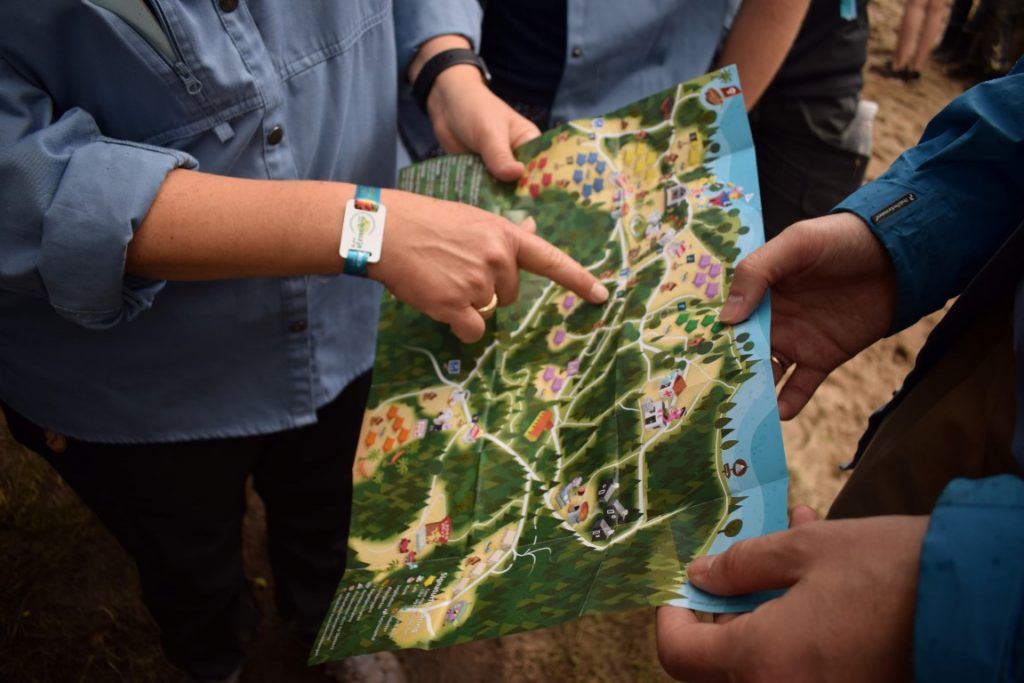
    DSC_0563 (Medium)Back when it was summer (Danish rainy summer, that is) I happened to visit a very special place, the FDF National Camp, which takes place every fifth year outside the town of Ry, close to the lake Julsø. The camp is huge with its almost 12.000 participants, who all live in tents, prepare all meals on campfires, and generally do everything outside for the duration of the camp – 9 full days.

    As if this was not playful enough, they had picked play as the central theme for the entire camp.

    “Even if we play just for the sake of playing, something happens with us when we play that would not have happened otherwise. Play is not just for fun – it can be serious too. In play we meet each other in new ways, when we’re building hideouts, creating imaginary worlds or travelling to the moon. In play we are challenged on who we are and who we would like to be. When we play, we see ourselves in a new way, where the differences between us diminish and the sense of community grows” (my translation)

    To frame this, they developed a narrative and a fictional kingdom, “Molevitten”, where the Fountain of Play originates (read the story – in Danish). Its energy comes from play itself, and since people are playing less and less, the fountain is drying out. If enough people come to Molevitten to play, the fountain can be saved from extinction.

    [/et_pb_text][et_pb_image admin_label=”Image” src=”http://www.counterplay.org/wp-content/uploads/2016/07/DSC_0505_2-Medium.jpg” show_in_lightbox=”off” url_new_window=”off” use_overlay=”off” animation=”left” sticky=”off” align=”left” force_fullwidth=”off” always_center_on_mobile=”on” use_border_color=”off” border_color=”#ffffff” border_style=”solid”] [/et_pb_image][et_pb_text admin_label=”Morten” background_layout=”light” text_orientation=”left” use_border_color=”off” border_color=”#ffffff” border_style=”solid”]

    I talked to the general secretary of FDF, Morten Skrubbeltrang, about the camp and the decision to give “play” such a prominent position:

    “The theme is “play away” with a strong focus on play – based on the understanding that we all need the haven and space provided by play. We need places, where all we do is play, where we’re simply having fun while playing, and where we experience the community and sense of belonging, that is inherent to play. We also believe that play is being marginalized in some areas, and we would like the camp to be a place, where play has room to live and thrive”

    [/et_pb_text][et_pb_image admin_label=”Image” src=”http://www.counterplay.org/wp-content/uploads/2016/10/DSC_0554-Medium.jpg” show_in_lightbox=”off” url_new_window=”off” use_overlay=”off” animation=”left” sticky=”off” align=”left” force_fullwidth=”off” always_center_on_mobile=”on” use_border_color=”off” border_color=”#ffffff” border_style=”solid”] [/et_pb_image][et_pb_text admin_label=”Ane” background_layout=”light” text_orientation=”left” use_border_color=”off” border_color=”#ffffff” border_style=”solid”]

    I also had the chance to talk to Ane Schjødt Koch who was responsible for “decoration and installation” at the camp. She coordinated the development of eight “play stations” , encouraging “free play”:

    “We made some dogmas for these installations. The play stations should invite people to play freely, they had to be aesthetically pleasing, there could be no rules, no instructors or  should be required. Basically, they should just be ready for people to jump right in and play away.”

    I heard about the project a while ago, and I was really excited to see the stations in their natural habitat, to learn more about them, and – of course – to try them out. It really shows the dedication of FDF in wanting to create as many meaningful opportunities for people to play.

    [/et_pb_text][et_pb_image admin_label=”Image” src=”http://www.counterplay.org/wp-content/uploads/2016/10/DSC_0438-Medium.jpg” show_in_lightbox=”off” url_new_window=”off” use_overlay=”off” animation=”left” sticky=”off” align=”left” force_fullwidth=”off” always_center_on_mobile=”on” use_border_color=”off” border_color=”#ffffff” border_style=”solid”] [/et_pb_image][et_pb_text admin_label=”Text” background_layout=”light” text_orientation=”left” use_border_color=”off” border_color=”#ffffff” border_style=”solid”]

    Walking around the camp, I was immediately impressed by the prominence of play. It was everywhere. Everybody was playing, and in so many different ways. You would see people climbing, jumping, running, constructing stuff, but also much more calm, contemplative forms of play took place. There was competition and a whole lot of collaboration. Play in all its diverse glory. This is what we’re always trying to inspire with the festival, since play is such a complex, multi-faceted phenomenon. We can only hope to more comprehensively understand play if we embrace the diversity, so finding so many manifestations at the camp was a pleasant surprise.

    Another remarkable thing I noticed, was how everybody played with everybody. In everyday life, many children and young people are mostly interacting with people of their own age group, and play rarely crosses these boundaries. At the camp, this happened all the time, and it didn’t feel forced, but rather like everyone was actually having fun with each other.

    This was indeed a playful wonderland, where the usual barriers and reservations had been more or less completely removed, and where people didn’t seem to care much about looking silly, making mistakes, or simply having fun with friends and strangers alike.

    I’m sure we can learn a lot about play from FDF, and I’m really curious to explore how we can create similar opportunities to play, also outside the context of a big camp like this.


    [/et_pb_text][et_pb_image admin_label=”Birds” src=”http://www.counterplay.org/wp-content/uploads/2016/07/DSC_0471-Medium.jpg” show_in_lightbox=”off” url_new_window=”off” use_overlay=”off” animation=”left” sticky=”off” align=”left” force_fullwidth=”off” always_center_on_mobile=”on” use_border_color=”off” border_color=”#ffffff” border_style=”solid”] [/et_pb_image][/et_pb_column][/et_pb_row][/et_pb_section]