[et_pb_section bb_built=”1″][et_pb_row][et_pb_column type=”4_4″][et_pb_text admin_label=”Mathias Poulsen” _builder_version=”3.1.1″]
When I came home from the Pro Juventute play festival a few weeks ago, my head was full of impressions, thoughts and ideas – as it always happens after participating in lovely play events. While I was certainly somewhat challenged due to my limited language skills (much of the conference was in German and/or French), I took a lot with me and I managed to reach that interesting emotional state, where it feels just right:
At some point during these play events I get really emotional. Grateful for being part of the community & hopeful for the future, despite our fucked up democracies. Strangers interacting, respectfully, feeling joyful, simply playing. We could be more like this, people. #bielspiel
— Mathias Poulsen (@mathiaspoulsen) May 26, 2018
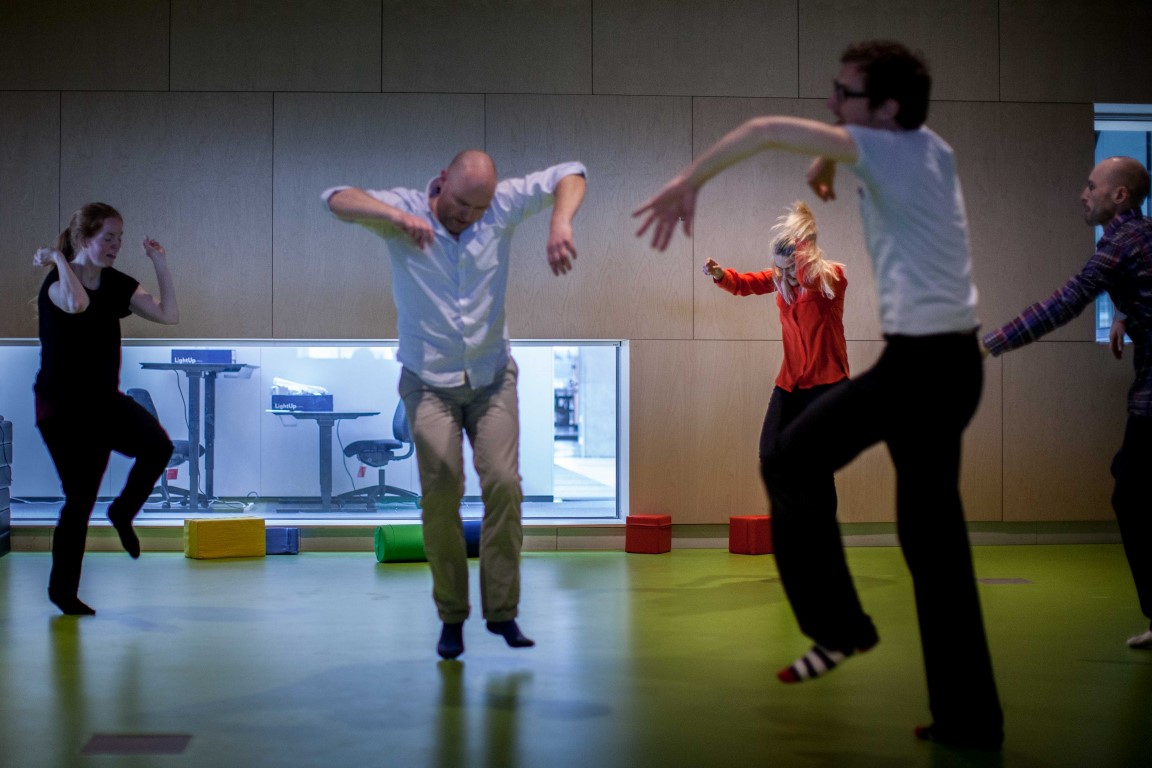
I hosted a workshop on “playing with strangers” together with Robb Mitchell, which was great fun, and I was once again amazed how strangers courageously jump into whichever challenge we threw at them. We used Robb’s design cards (read more here) to inspire the participants to prototype playful solutions for cultivating interaction between strangers in public space, and let us just say they got really creative (you can see my short presentation here).
[/et_pb_text][et_pb_image _builder_version=”3.1.1″ src=”http://www.counterplay.org/wp-content/uploads/2018/06/ProJuventute-7459-Large.jpg” /][et_pb_text _builder_version=”3.1.1″]
On Saturday, I also hosted a session with two inspiring talks by Jeanette Fich Jespersen from the KOMPAN Play Institute and Ellen Weaver (I found this blog post by Ellen that covers some of the same). Both were talking about “playing outside”, but more than that, they talked about creating a wide range of opportunities for play, allowing those playing to tailor the experience to their taste and needs. Take kids with disabilities, who are usually looking for the same play mood as anyone else, but might need to get there in slightly different ways:
From exclusion & segregation to integration & inclusion – inclusive playgrounds that allow everyone to participate on equal footing. No one is disabled, but an environment can be highly disabling. https://t.co/vNRfxmGyoE #bielspiel
— Mathias Poulsen (@mathiaspoulsen) May 26, 2018
The most important motivational factor for children – with or without disabilities – is the desire to feel the thrill of play, the tickling in the stomach. #bielspiel pic.twitter.com/aHFPnNmQKS
— Mathias Poulsen (@mathiaspoulsen) May 26, 2018
[/et_pb_text][et_pb_text _builder_version=”3.1.1″]
One of the essential themes, for me, was “liberating play from the playgrounds”. It was introduced at the opening, and struck a chord with me. We tend to think of creating playgrounds as spaces for play, helping play to thrive, but it often feels more like we confine play to the playground. “Ok, you can play there, but certainly not anywhere else”. I’ve written before about “the problem with playgrounds“, and a big issue is that of player agency. Apart from boxing in the play experience, playgrounds often leave little meaning to be interpreted by the player, no “loose parts” to be used in new and surprising ways.
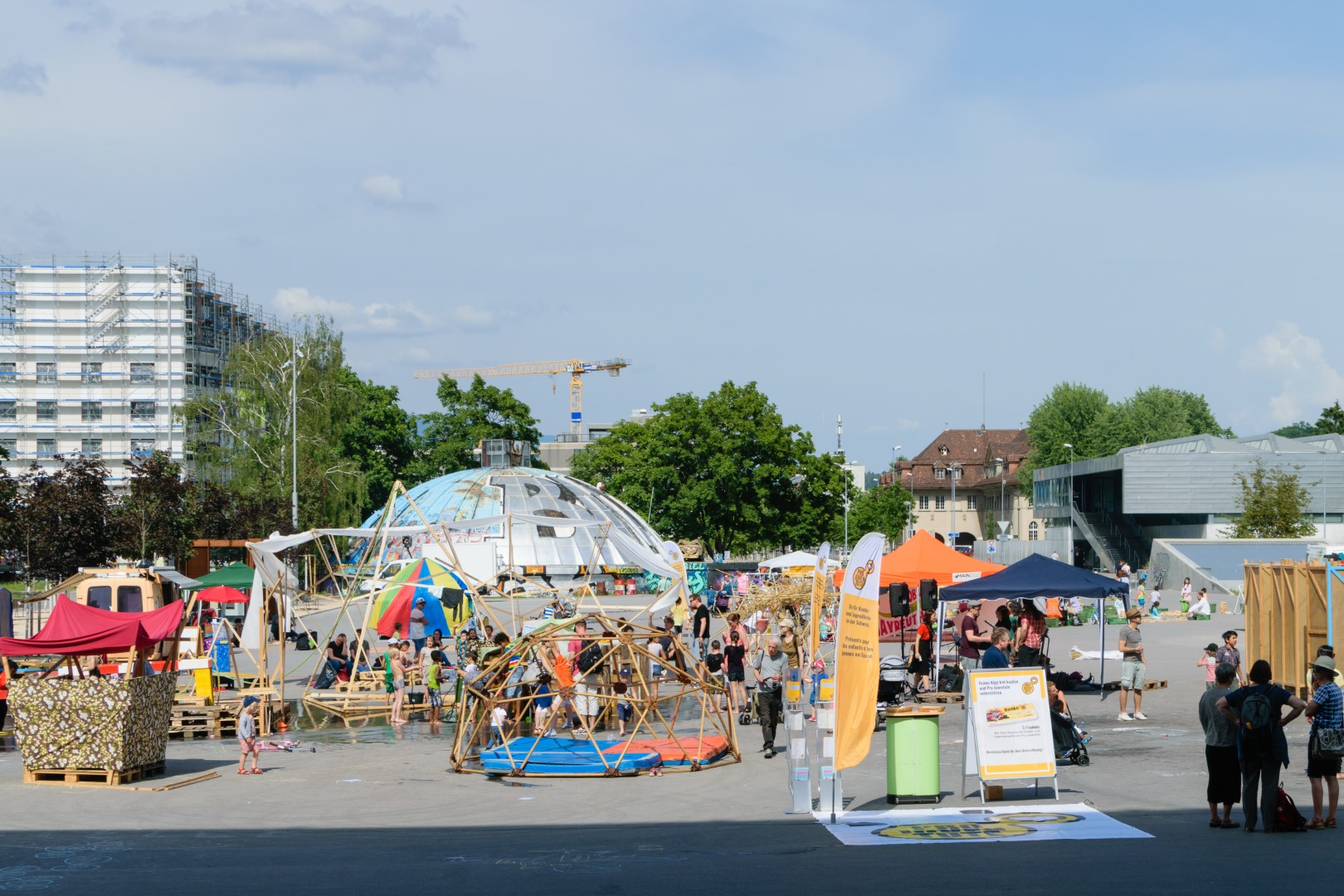
I think this was beautifully illustrated by the events taking place outside the conference venue, on the big square, or “Playable Esplanade”, as it was appropriately called. As the festival evolved, so did the esplanada, coming ever more alive with people playing.
[/et_pb_text][et_pb_image _builder_version=”3.1.1″ src=”http://www.counterplay.org/wp-content/uploads/2018/06/ProJuventute-7647-Large.jpg” /][et_pb_text _builder_version=”3.1.1″]
Now, I found myself quoting and paying tribute to Bernie DeKoven more than once. This has happened a lot, not least since he died earlier this year, and I’ve been thinking so much about his incredible legacy to the play community. I had reread his wonderful “The Well-Played Game” on the trip. If you haven’t read it (at least once) yet, I recommend you do it. It’s so full of deep insight, and there’s so much to appreciate and learn from that book, even now, 40 years on. When he talks about The New Games Movement and not least their The New Games Tournament, I feel like I have missed out on something monumental in the history of play, but at the same time, I feel encouraged and inspired to follow in their playful footsteps:
One of its activities was called the “New Games Tournament.” A group of people would come together—a group that may number as many as ten thousand people—and they’d play games in what became an actual celebration of the willingness to play.
The energy, the vitality was everywhere. The potential, actual. In all that strangeness, we discovered that none of us were strangers. We all liked to play. There was nothing—age, ability, profession, language, status, nationality—that could separate us any longer. We had left everything else behind, and we were all just playing.
This is the sentiment that has really stuck with me, as I had a similar feeling several times during the festival. At the esplanade, especially during the Saturday, lots of people were playing together, engaging in a vast range of activities: water fights, blowing bubbles (with the ever so amazing Bart Durand), exploring the maze (almost getting lost in there), drawing with chalk, building with small blacks and wood, climbing around, driving the small “train” and much more. It was a beautiful, playful mess.
What a wonderful, creative, playful mess this is. I ❤️ it! #bielspiel pic.twitter.com/YMkJtZiIpb
— Mathias Poulsen (@mathiaspoulsen) May 26, 2018
Playing like that has a certain fluidity, where you can play together, being part of the same, feeling a sense of belonging, even when you seem to be on your own. Maybe you’re suddenly completely immersed in building a huge tower, but you do so surrounded by likeminded players, and the togetherness is palpable. It’s a dance, where everybody knows (or learns) that this only works if you show a degree of openness, empathy, respect and generosity towards the other players. It can never just be about you and your little experience, but we must all pay attention to the play community at large.
In a world where we more often than not fail to connect with each other, there’s something magical about experiencing this way of being together, where the delicate balance between individual and community feels far more effortless. I have no doubt in my mind that we could live more like this, naive as it may sound.
I, for one, look forward to staying in touch with the Pro Juventute play community, exploring together the meaning of space(s) and how we can truly liberate play from the playgrounds!
[/et_pb_text][et_pb_image _builder_version=”3.1.1″ src=”http://www.counterplay.org/wp-content/uploads/2018/06/ProJuventute-7520-Large.jpg” /][/et_pb_column][/et_pb_row][/et_pb_section]
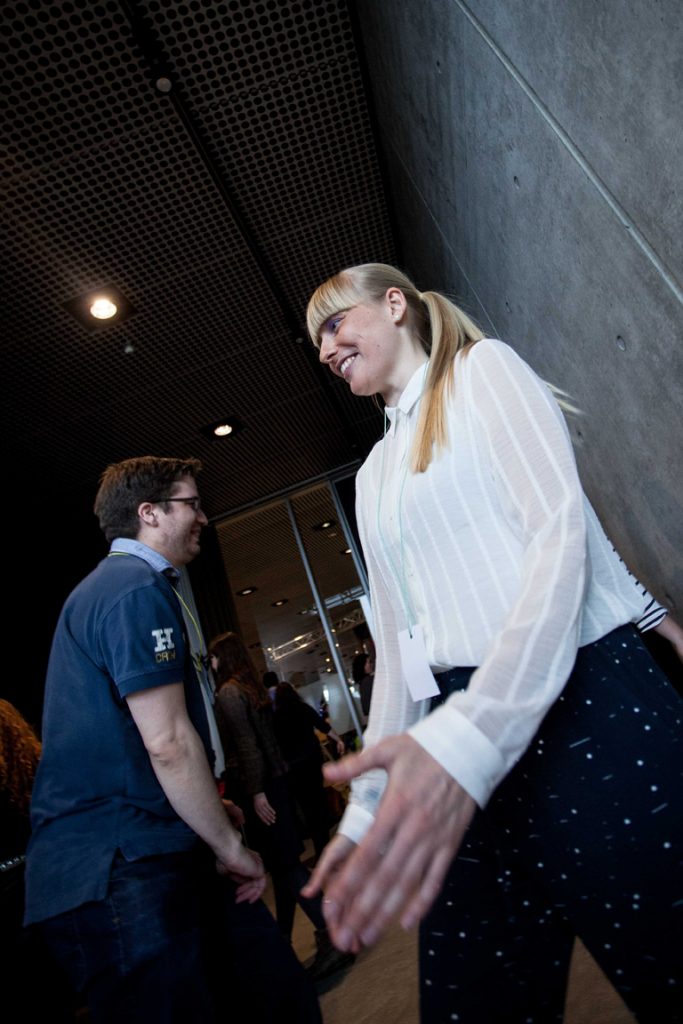 The people in the play community play with each other, of course, but it is also a space for reflection and conversation. Conversations between people, sure, but also between ideas, thoughts, things that are written and things that are spoken; Exchanges, interactions, meetings of minds, ambitions and dreams.